Ghost in the Wires: When the Easiest Way to Hack a Network Is Simply to Ask
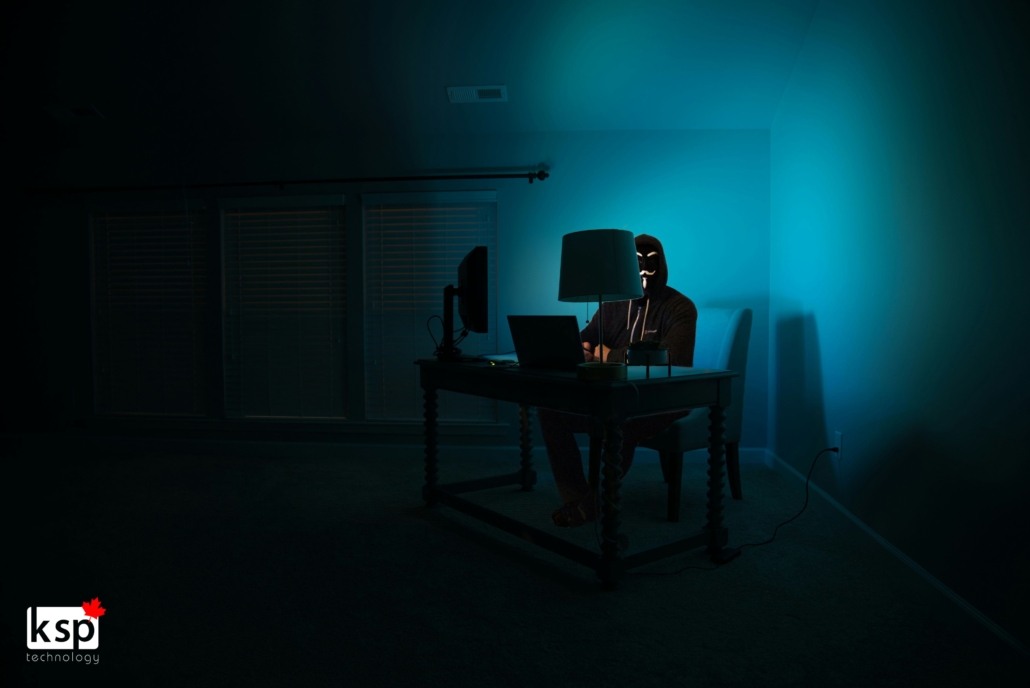
 When most people picture a hacker, they picture someone in a dark room staring at six monitors, furiously typing commands until they somehow “break through” a company’s firewall.
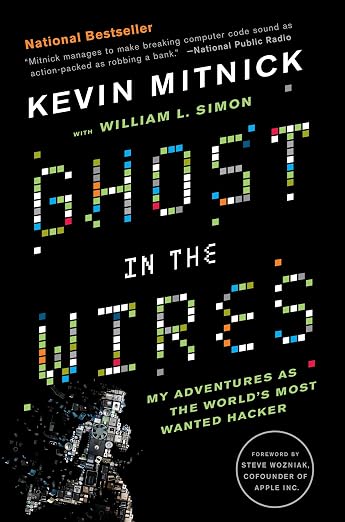
The National bestselling book, Ghost in the Wires, tells a much more interesting story.
Kevin Mitnick became one of the world’s most famous hackers, and while there was plenty of technical knowledge behind what he did, one of his most effective tools wasn’t software.
It was people.
Again and again, Mitnick used social engineering — convincing someone to give him information, access, or assistance that they shouldn’t have. He didn’t always need to magically hack his way into a network. Sometimes, he simply asked.
“Hi, I’m Calling From IT…”
That’s what makes Ghost in the Wires such an interesting read from a cybersecurity perspective.
Mitnick understood something that remains true today: people generally want to be helpful.
If someone sounds confident, knows the right terminology, has a believable story, and seems to know something about your organization, it’s surprisingly easy to assume they’re legitimate.
Imagine getting a call like this:
“Hi, it’s Mike from IT. We’re troubleshooting an issue with your account. Can you confirm your username for me?”
That seems harmless enough.
Then: “Perfect. You should receive a verification code in a second. Can you read that back to me?”
Now the attacker may have exactly what they need to access the account. No sophisticated exploit. No dramatic Hollywood hacking scene. Just a conversation.
Your Firewall Can’t Stop Someone From Giving Away the Keys
Businesses spend a lot of money protecting their technology — and they should.
Firewalls, endpoint protection, multi-factor authentication, email filtering, monitoring and backups are all important parts of a modern cybersecurity strategy.
But technology can only go so far.
If an attacker can convince someone inside your organization to provide credentials, approve a login, open a malicious attachment, change banking information, or disclose sensitive information, they may be able to bypass many of those technical protections.
That doesn’t mean employees are the “weakest link.” It means people are part of your security system, and they need the same attention as the technology protecting them.
Why Social Engineering Works on All of Us
One of the biggest mistakes we can make is assuming we’re too smart to fall for a scam. Social engineering doesn’t necessarily work because someone is careless. It works because attackers take advantage of normal human behaviour.
We trust people who appear to have authority. We respond to urgency. We want to help coworkers and customers. We don’t want to hold up the boss. And when we’re busy, we make quick decisions. Attackers know this.
A message that appears to come from an executive asking for an urgent payment can create pressure. A caller claiming to be from Microsoft can create authority. An email saying your password expires today can create urgency. A fake login page can look almost identical to the real one. And with information about companies and employees readily available online, attackers can make these approaches remarkably convincing.
The question shouldn’t be, “Would our employees fall for this?” A better question is, “Have we given our employees the knowledge and processes they need when someone tries?”
Security Awareness Is More Than an Annual Training Video
Effective cybersecurity awareness isn’t about scaring your team or trying to turn every employee into a security expert.
It’s about building good habits.
Your people should feel comfortable questioning unusual requests. They should know that nobody from IT should be asking them for their password. They should know how to independently verify a request involving money or sensitive information. And, most importantly, they should know exactly what to do when something doesn’t feel right.
That last part matters.
You want someone to report a suspicious email — even if it turns out to be legitimate. You want someone to hang up on “IT” and call back using a trusted number. And if someone does click something they shouldn’t have, you want them to tell your IT team immediately rather than staying quiet because they’re embarrassed.
Fast reporting can make an enormous difference.
The Lesson From Ghost in the Wires
Kevin Mitnick’s stories took place in a very different era of computing, but the underlying lesson has aged remarkably well. Cybersecurity isn’t only a technology problem. You can have excellent security tools protecting your network, but attackers will still look for another way in. And sometimes the easiest route is simply convincing someone on the inside to open the door.
That’s why a strong cybersecurity strategy needs both sides: technology that protects your business and people who understand the threats they’re likely to encounter.
At KSP Technology, we help Western Canadian businesses build security around both. Because the best firewall in Calgary can’t stop someone from asking a convincing question. But a prepared team can know when not to answer.
Have questions about Cybersecurity in Winnipeg, Edmonton, Calgary or somewhere in between? Call us today! There’s a good chance we can help!